Feel Good Foundations: A Simple, Sustainable Approach to Healthy Eating

OK, first things first. When I talk about Feel Good Foundations, I’m not talking about perfection, dieting, or a list of rules you need to follow to be “good” at health. It’s 2026, and we’ve grown beyond that right!
Based on this my friend, this article isn’t going to be me telling you to cut things out, eat flawlessly, or chase an idealised version of wellness - because actually, that doesn’t exist (newsflash - we’re human x).
Instead, it’s about nourishment, energy, enjoyment, and sustainability, and building a way of eating that actually supports your real life schedule, preferences, your body, and your nervous system.
Everything here is intentionally simple. There’s no overwhelm, no moralising food, and plenty of permission to do what works for you. And a gentle reminder before we begin: healthy eating looks different for everyone.
Let’s Start at the Most Important Place - Your “Why”
Before talking about food, it’s worth pausing and asking why you’re here in the first place.
Why do you want to feel better?
Take a moment to reflect on a few questions:
What made you seek out this information today?
How do you want to feel in your body day to day?
What would feeling well allow you to do more of?
Often, the most powerful motivators aren't weight, numbers, or looking good in that bikini (although always a bonus right?!), instead they are the things that last and enable - things like energy, presence, confidence, freedom, or simply feeling more like yourself.
If it helps, choose one word or short phrase that captures your “why.” Something you can come back to when motivation dips or life gets busy. You don’t need to feel driven all the time — you just need a reason that feels meaningful to you.
OK, Now Let’s Dive In …The Most Important Foundations of Healthy Eating
1. Nourishment Over Restriction
Food is fuel, information, and enjoyment. When we focus too heavily on restriction, cutting calories, foods, or entire food groups, it often backfires.
Here’s what I mean ..
Restriction increases stress, drives cravings, and can lead to cycles of bingeing and guilt. Instead of asking, “What should I cut out?”, try shifting the question to, “What can I add in?”
By adding nourishment e.g. more protein, fibre, colour, or balance, this naturally leads to healthier decisions without forcing them (we literally change the constitution of our gut and this leads us to desire different choices (usually healthier foods).
This mindset change alone creates a powerful domino effect.
2. Consistency Over Perfection
One “perfect” day of eating doesn’t outweigh weeks of inconsistency (I know, annoying right). Small, repeatable habits matter far more than occasional bursts of motivation - this goes for everything btw - from nutrition to movement to how we think and behave.
Regular meals help stabilise energy, mood, and blood sugar - we want to think rolling hills of glucose elevation and descent here - instead of dramatic peaks and valleys.
You don’t need to eat perfectly; you just need to eat regularly and enough OK?!
3. Eating Enough
We live in a world where super fasting has been glorified - leading to many people condensing their eating windows so much that they are not getting enough food into their body to fuel them and enable proper repair and regeneration. Under-eating is a surprisingly common and often hidden stressor on the body.
Signs you might not be eating enough include:
Low energy or brain fog
Irritability or feeling “hangry”
Constant snacking without satisfaction
Poor sleep
Weight gain
Eating enough is not indulgent - it’s supportive. Your body needs sufficient fuel to regulate hormones, manage stress, and function well.
4. Understanding Macronutrients (Without Overwhelm)
Macronutrients are simply protein, carbohydrates, and fats. PSA there are no “bad” macros (hating on fats is very 80’s hehe). Let’s take a quick look at each of the key macros and what they do for these amazing body;s of ours.
Protein
Protein provides the building blocks for growth and repair. It supports muscle, hormones, immune health, and helps meals feel satisfying. It also plays a key role in keeping blood sugar stable. Many people under-eat protein, especially earlier in the day.
Carbohydrates
Carbohydrates are the body and brain’s primary energy source. They break down into glucose, which fuels everything from movement to concentration. Fibre-rich carbs support digestion and gut health, and choosing more complex options helps prevent energy crashes.
Fats
Fats are essential for hormone health, brain function, and nutrient absorption. They add satisfaction and staying power to meals. The goal isn’t fear or avoidance, instead think moderated inclusion.
5. The Balanced Plate Foundation
A simple way to support your body is to aim for most meals to include:
A clear protein source
Fibre-rich carbohydrates
Healthy fats
Colour from vegetables and/or fruit
Hand-size measurements can be a helpful visual guide here that’s easeful and not overly rigid ( think palm for protein, fist for fibre, cup for carbs, and a thumb for fats).
Balanced plates support:
More stable energy
Better fullness and fewer cravings
Gut health and mood
And remember: not every plate needs to be perfect. Balance can happen over the day because flexibility and enjoyment are part of health too!
Key Things to Watch Out For
Skipping Meals or Long Gaps
I’ve said it before and I’ll say it again -long gaps between meals can disrupt blood sugar, focus, and cravings, and place extra stress on the nervous system. A balanced first meal of the day can be incredibly supportive.
Protein Gaps
Low protein intake, especially at breakfast and lunch, often shows up as hunger shortly after eating, low energy, and poor workout recovery.
Ultra-Processed Convenience Habits
Highly processed foods are easy to rely on, but they often crowd out nourishment. Many are stripped of nutrients and high in added sugars and preservatives, which can leave the body under-fuelled even when calories are present.
All-or-Nothing Thinking
“I’ve blown it, so I may as well…” thinking keeps people stuck. Slips aren’t failures, they’re neutral data, and it’s never too late to reset! You can make a supportive choice right now, no matter what came before.
Simple Ways to Optimise Nutrition
Eat the Rainbow
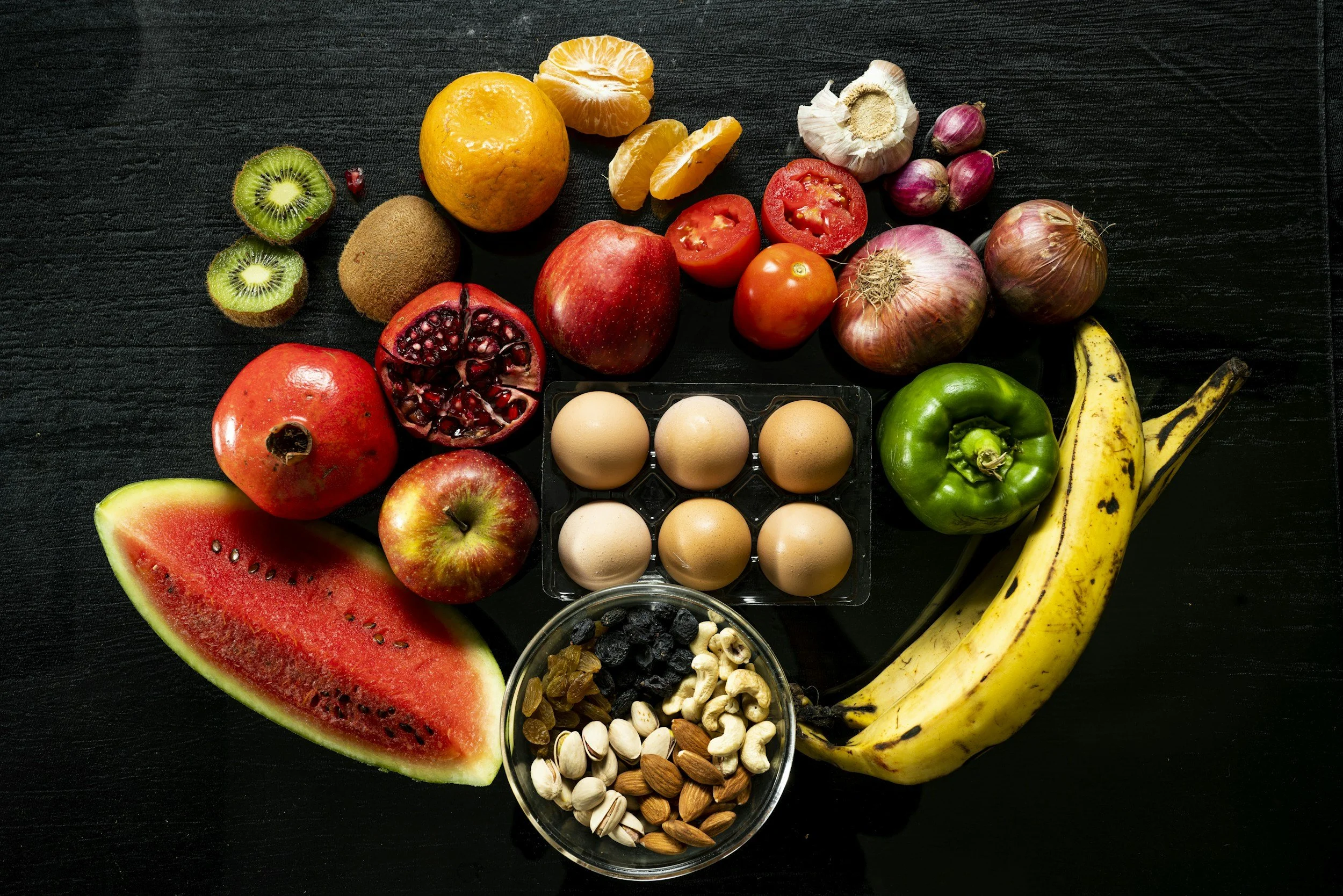
Eating the rainbow doesn’t mean changing everything you eat, it means adding colour where you can. Different colours provide different phytonutrients that support gut health, immunity, and inflammation balance.
Prioritise Protein (Gently)
Protein supports satiety, blood sugar balance, muscle, hormones, and recovery. Simple add-ins include eggs, Greek yoghurt, legumes, tofu, fish, and chicken. Visual cues work better than numbers, so think “Is there a clear protein source here?”
Hydration Foundations
Hydration affects more than thirst. Mild dehydration can show up as fatigue, headaches, or cravings. Gentle habits like starting the day with water, sipping herbal teas, or adding fruit to water can make a big difference.
Build Balanced Plates
Return to the simple framework: protein, fibre-rich carbs, healthy fats, and colour.
Practical Tips for Easy, Nourishing Meals
Meal plan lightly, not rigidly
Sprinkle nuts and seeds onto meals
Use simple homemade dressings
Repeat meals you genuinely enjoy
Try “assembly meals” that require no cooking
Think protein-first when planning
Stock a supportive kitchen
Batch-cook basics (grains, proteins, roasted veg), not full meals
Bringing It All Together
Revisit your “why” and choose just one action that aligns with it.
The key takeaways:
Add in, don’t restrict
Prioritise colour, protein, hydration, and consistency
Simple habits create big shifts over time
You don’t need to do everything to feel better. Feeling good is built gradually, through small, supportive choices repeated over time. And most importantly: you’re allowed to enjoy food while taking care of your health!